

Where Complex Symptoms Become Clear Strategies.
Cohorts and Application Domains
Cohorts and Application Domains
Where Complex Symptoms Become Clear Strategies.
Overview

Overview
Patient Encoding Neural Network Clinical Lab works with cohorts spanning neuroimmune cognition, gut brain syndromes, neurology, and oral-systemic inflammation. Across these domains, analyses emphasize subgroup structure, temporal dynamics, and association patterns that link indicators to outcomes, including interaction effects and robustness across cohorts.
Post-Infectious Cognitive Symptoms
Cohorts with persistent cognitive symptoms following infection support discovery of subtype structure anchored in sleep disruption, inflammatory axes, and autonomic measures. Embedding-based clustering and follow-up models quantify differential recovery trajectories and recurrence risk.
Clinical insights include:
- Clustering that separates sleep-fragmentation predominant, inflammation-associated, and mixed autonomic-inflammatory profiles
- Follow-up models for cognitive change and symptom recurrence during intercurrent infections
- Association tests linking inflammatory pathways with processing-speed–linked outcomes
Early Cognitive Decline and Memory Clinic Cohorts
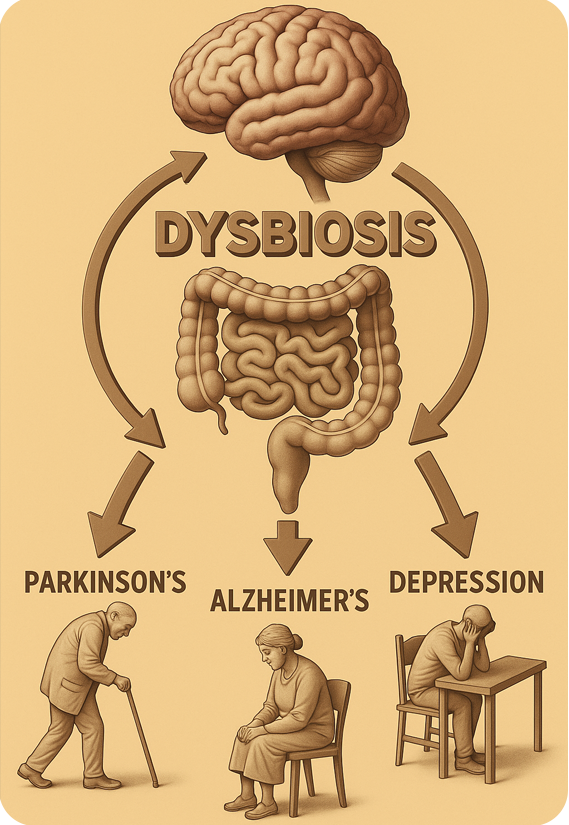
Early Cognitive Decline and Memory Clinic Cohorts
Memory clinic cohorts with mild cognitive impairment support stratification of progression risk using immune-pathway features, cognitive domain profiles, and structural imaging summaries when available. Analyses focus on subtype-specific progression and phenotype variability.
Observed treatment outcomes show:
- Subtype structure separating immune-associated profiles from atrophy-associated profiles
- Time-to-progression modeling aligned to cognitive domain endpoints
- Correlation-network analyses to identify pathway-linked feature groupings
Systemic Immunotherapy Initiation Cohorts
Cohorts initiating biologic or immune-modulating therapy enable modeling of cognitive symptom risk across early treatment windows using baseline immune phenotyping, sleep metrics, and clinical history features.
Systemic Immunotherapy Initiation Cohorts

Cohorts initiating biologic or immune-modulating therapy enable modeling of cognitive symptom risk across early treatment windows using baseline immune phenotyping, sleep metrics, and clinical history features.
Emerging Findings:

Risk models combining immune-marker profiles with sleep efficiency and comorbidity features

Time-aware analyses aligned to therapy timelines and early symptom peaks

Stratified analyses separating transient symptom dynamics from persistent risk profiles
See how our work drives better patient outcomes.
Emerging Findings:
Risk models combining immune-marker profiles with sleep efficiency and comorbidity features
Time-aware analyses aligned to therapy timelines and early symptom peaks
Stratified analyses separating transient symptom dynamics from persistent risk profiles

New gut-derived inflammatory signatures are emerging as early biomarkers for neurodegenerative risk stratification
See how our work drives better patient outcomes.
Gut Brain Syndromes and Flare Dynamics
IBS and related symptom domains support endotype discovery and forecasting of exacerbation windows using microbiome or metabolite layers when available, immune features, stress measures, and symptom time series.
Practice-driven observations:

Subtype discovery from symptom architecture, stress measures, and inflammatory proxies

Time-lag modeling identifying pre-exacerbation signals in select strata

Feature association patterns linked to pain, bloating, and severity dynamics
Gut Brain Syndromes and Flare Dynamics
IBS and related symptom domains support endotype discovery and forecasting of exacerbation windows using microbiome or metabolite layers when available, immune features, stress measures, and symptom time series.
Practice-driven observations:
Subtype discovery from symptom architecture, stress measures, and inflammatory proxies
Time-lag modeling identifying pre-exacerbation signals in select strata
Feature association patterns linked to pain, bloating, and severity dynamics
Inflammatory Bowel Disease with Cognitive and Mood Variability
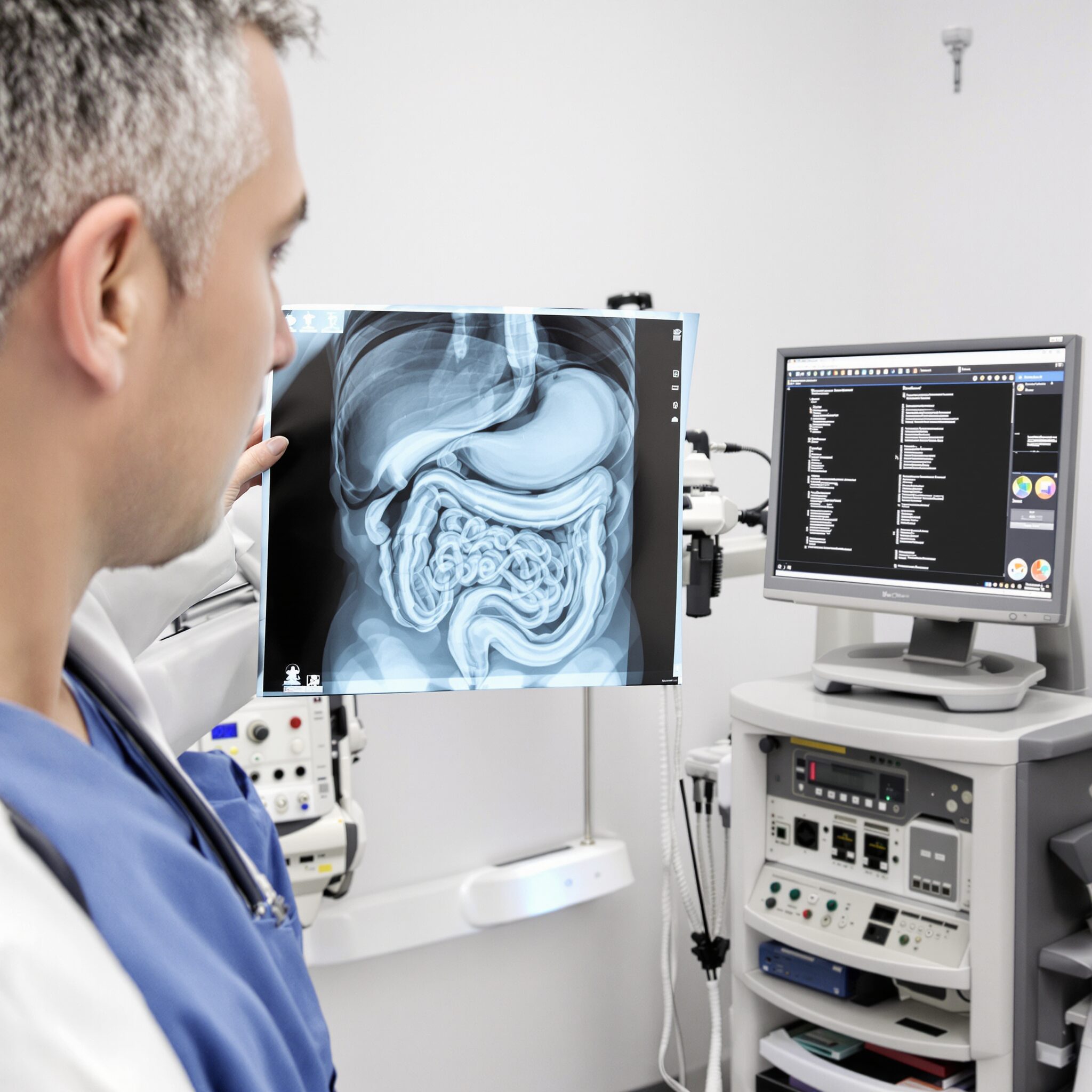
Inflammatory Bowel Disease with Cognitive and Mood Variability
IBD cohorts with inflammatory activity markers and repeated symptom and neurocognitive measures support lagged association modeling of inflammation-linked fatigue and processing speed variability, including partial mediation by sleep disruption.
Findings from integrated care models:
- Lagged regression linking inflammatory activity indicators to subsequent cognitive and fatigue measures
- Mediation and interaction analyses involving sleep measures and systemic markers
- Subgroup structure separating inflammation-aligned symptom patterns from alternative drivers
Neurology Trajectory Programs
Neurology cohorts support stratification and outcome modeling in settings where immune, sleep, autonomic, and symptom dynamics jointly shape trajectories. Programs include migraine phenotype structure, MS fatigue strata, epilepsy trigger profiles, and post-stroke cognitive outcomes.
Clinical integration demonstrates:

Migraine clustering integrating autonomic proxies, GI symptom measures, and inflammatory markers with response modeling

MS fatigue strata separating inflammatory-metabolic aligned patterns from sleep-autonomic aligned patterns with cognitive correlates

Epilepsy trigger-profile clustering with post-infection interval risk structure and sleep loss interaction effects
Neurology Trajectory Programs
Neurology cohorts support stratification and outcome modeling in settings where immune, sleep, autonomic, and symptom dynamics jointly shape trajectories. Programs include migraine phenotype structure, MS fatigue strata, epilepsy trigger profiles, and post-stroke cognitive outcomes.
Clinical integration demonstrates:
Migraine clustering integrating autonomic proxies, GI symptom measures, and inflammatory markers with response modeling
MS fatigue strata separating inflammatory-metabolic aligned patterns from sleep-autonomic aligned patterns with cognitive correlates
Epilepsy trigger-profile clustering with post-infection interval risk structure and sleep loss interaction effects
Oral-Systemic Inflammation and Cognitive Vulnerability
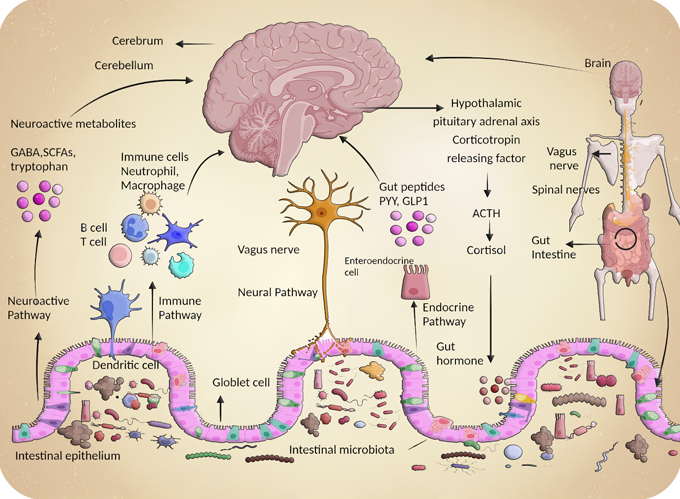
Oral-Systemic Inflammation and Cognitive Vulnerability
Oral inflammation indicators are evaluated as correlates of systemic inflammatory state and cognitive screening performance in both cohort studies and population-scale datasets. Work includes disparity-aware subgroup analyses and evidence synthesis supporting hypothesis prioritization.
Resulted in new studies:
- Cohort-based association models linking periodontal inflammation
- PRISMA-guided evidence synthesis supporting ethnicity-stratified interpretation and research prioritization
Cross-Intervention Outcome Modeling
Across studies involving heterogeneous intervention exposures, analyses evaluate within-stratum outcome change and covariate-linked variability, supporting hypothesis-driven stratified designs and interpretable effect estimates.

Subgroup definition in embedding space followed by within-stratum outcome modeling

Comparative analyses of outcome change aligned to phenotype structure and longitudinal endpoints

Robustness checks for confounding sensitivity and measurement heterogeneity
Subgroup definition in embedding space followed by within-stratum outcome modeling
Comparative analyses of outcome change aligned to phenotype structure and longitudinal endpoints
Robustness checks for confounding sensitivity and measurement heterogeneity
Importance
Cohorts are selected and structured to support subtype discovery, trajectory analysis, and association mapping with robustness evaluation across cohorts as a core requirement. Outputs prioritize replicable subgroup structure, calibrated prediction, and mechanism-oriented hypotheses that motivate stratified study design.
- Subtype structure with stability assessment and reproducible characterization
- Time-indexed outcome models for recovery, progression, recurrence, and flare dynamics
- Association patterns supporting mechanism-oriented hypotheses and subgroup-aware inference
